
Cheque Bounce Matters
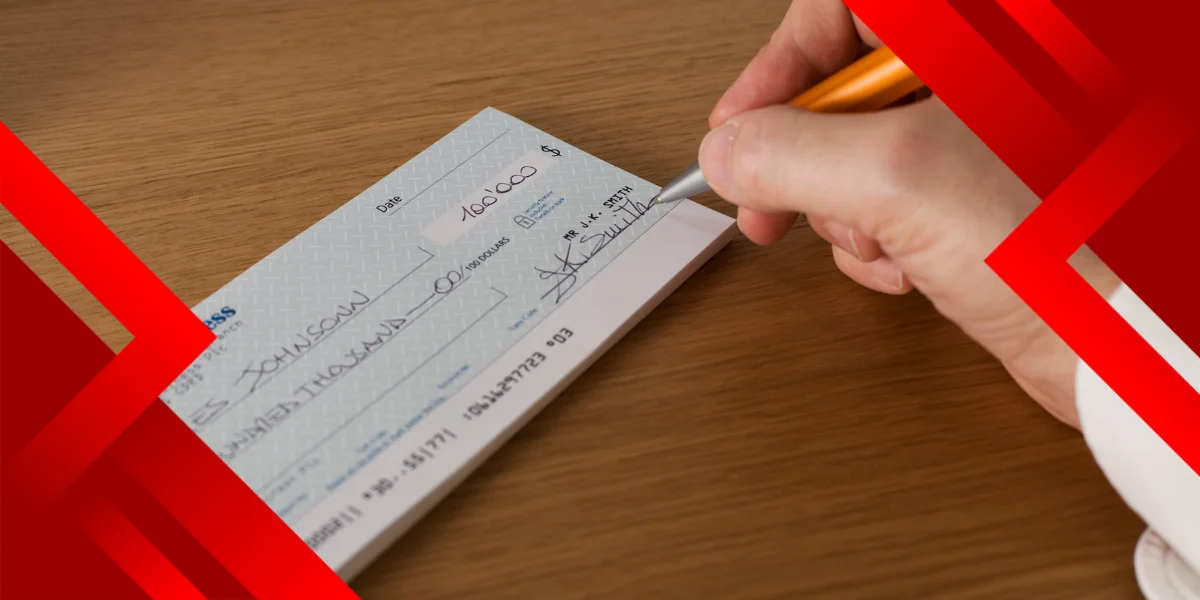
"Facing a cheque bounce issue? Get professional legal guidance for filing or defending cheque dishonour cases under Section 138 of the Negotiable Instruments Act. Our experienced legal team assists individuals, businesses, and companies across Delhi and India."
A cheque bounce can create serious financial and legal complications for both the issuer and the recipient. Under Section 138 of the Negotiable Instruments Act, cheque dishonour due to insufficient funds or other specified reasons can result in legal proceedings, penalties, and court appearances. Our legal team provides comprehensive assistance in handling cheque bounce matters, from sending legal notices to representing clients before the appropriate courts.
A cheque bounce occurs when a bank refuses to honour a cheque presented for payment. Common reasons include insufficient funds, account closure, payment stoppage instructions, signature mismatch, or exceeding the arrangement with the bank. Indian law provides a legal remedy to the payee through Section 138 of the Negotiable Instruments Act, enabling recovery proceedings and prosecution in eligible cases.
Legal Notice Drafting
Preparation and delivery of legally compliant demand notices.
Case Filing
Assistance in filing complaints under Section 138 NI Act.
Court Representation
Professional representation before courts and tribunals.
Settlement Negotiation
Facilitating out-of-court settlements and mediation.
Recovery Assistance
Legal support for recovery of outstanding amounts.
Defence Representation
Representation for individuals facing cheque bounce allegations.
Connect With Us
Yes. Subject to statutory requirements being fulfilled, a complaint may be filed under Section 138 of the Negotiable Instruments Act.
The applicable legal timelines depend on current law and circumstances of the case. A lawyer should be consulted immediately after cheque dishonour.
Yes. Many cheque bounce disputes are resolved through negotiation, mediation, or settlement agreements.
Typically, the cheque, return memo, legal notice, postal proof, and supporting transaction documents are required.
Yes. Companies, partnerships, proprietorships, and individuals may initiate proceedings where legal requirements are met.